A single phone line
One line for paper wasps, hornets and yellow jackets.
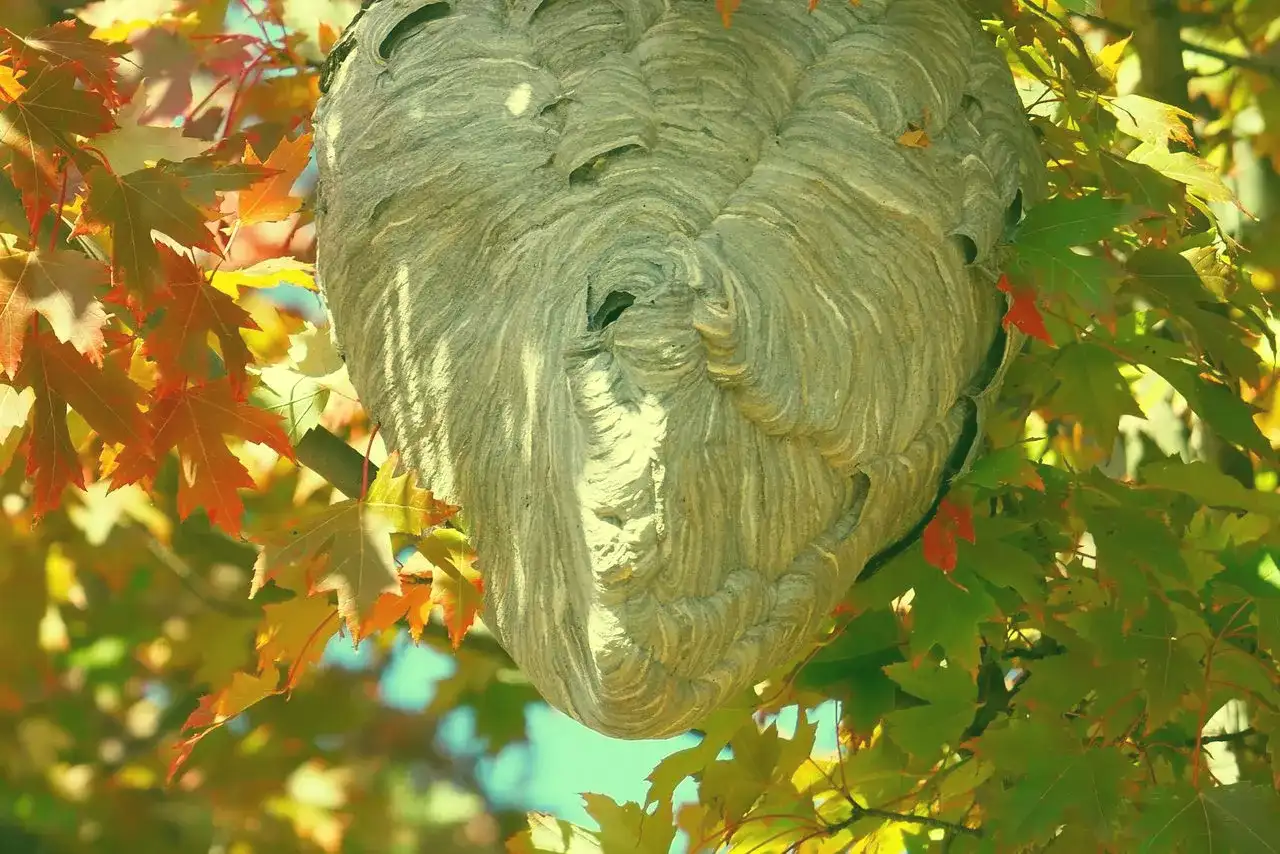
Those gray paper globes hanging in Pasadena trees are usually built by the baldfaced hornet. The Texas Apiary Inspection Service calls it the only "hornet" known in Texas and classes it as a yellowjacket. The colony lives inside a closed shell on a branch, in a shrub or under an eave, so its comb stays hidden from view. An AgriLife entomologist recommends leaving established yellowjacket and hornet colonies to professionals. Calling this line puts you in touch with an independent provider in the area who can size up the nest and talk through the choices.
One line for paper wasps, hornets and yellow jackets.
Ask the provider to name the insect before treatment.
Your call goes to a provider serving your ZIP code.
Find the company on TDA’s current-license list.
Providers generally size up hornet work from a first look at the nest, so have the plan explained before anyone approaches it. Most plans cover how the colony will be treated, whether the nest will be taken down afterward and whether a return check is part of it. Ask about nearby entry points on the house as well.
Everything starts at the opening. A closed nest is treated through one hole, so the provider pins down where it is, how high the nest sits and what lies around it, such as branches, power lines, windows or a path. Those details decide where the household waits during the work.
The colony is sealed inside a paper shell, so treatment must get to the comb, not just the outside. Many providers come early or late in the day, when most hornets are home. Leave the timing and method to the provider.
A quiet nest can often be cut from its branch and bagged, as long as it sits within safe reach. One near the top of a tall tree may simply stay up. Because AgriLife notes that a sheltered nest may carry on through a mild winter, ask the provider which outcome fits yours.
With the treatment done, many providers keep an eye on the opening for returning hornets and scan the trees and eaves close by for a second nest. Request a short note afterward that records where the nest was, the work done and anything left to watch.
Certain providers come back briefly to make sure the shell stayed silent and no fresh nest started nearby. Find out if that trip is planned, whether the cost already covers it and what the next step is if hornets are still flying in and out.
Say where the nest is and what it looks like, and a local provider calls you back.
Around Pasadena, removing a hornet nest usually means two jobs: dealing with the baldfaced hornet colony sealed inside its paper shell, then taking the shell away if it hangs within safe reach. The baldfaced hornet is a yellowjacket, so a provider treats it with the care any established yellowjacket colony calls for. That tends to mean suits and veils, a ladder or extension pole for a high nest, and a plan shaped around the driveway, play areas and walkways nearby rather than a quick charge at the branch.
The kind of housing around a nest changes the job. In Pasadena, 45.5 percent of occupied homes are renter-occupied and 30.5 percent of housing units are in buildings with five or more units (ACS 2024), so one hornet nest in a courtyard tree or on a shared eave may hang above a dozen doors, and the manager tends to handle access. On single-family streets the median home dates from 1977, and mature yard trees and aging eaves give hornets plenty of spots. Ask the provider how your nest would be reached and how long the work may run.
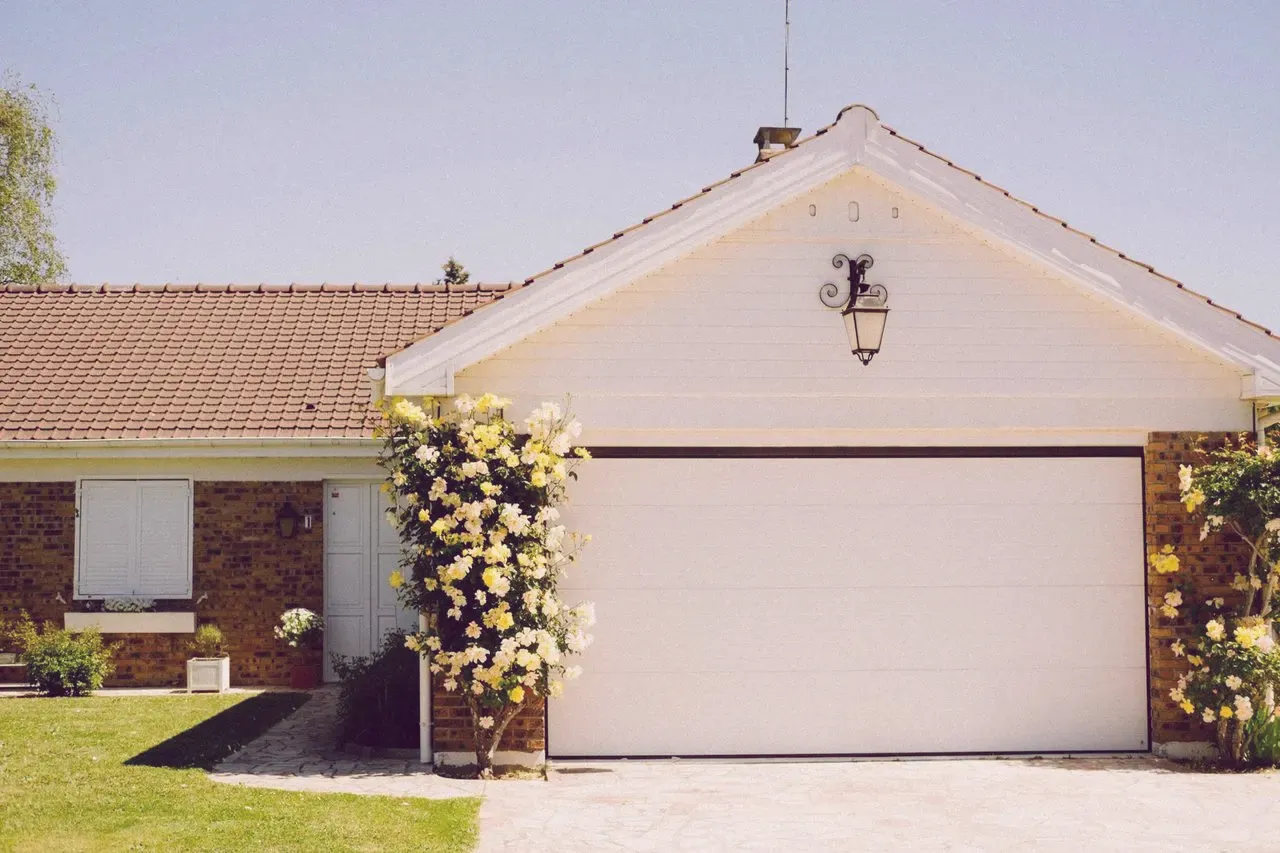
Before anyone gets close, the provider studies the nest from a distance: its height and size, the side the opening faces and what sits underneath. Nearby trees, eaves and shrubs get the same look in case a second nest is there. The scope, and only then the cost, comes out of that first look.
You may be asked to bring children and pets in, keep everyone out from under the nest, close windows on that side and leave the nest untouched. Follow what the provider tells you, and ask any question before the day rather than guessing.
Suits and veils go on before the approach. For a high nest, the crew may bring a ladder, a lift or an extension pole and clear the ground beneath it. A hedge nest at waist height needs much less than one at the crown of a tall tree.
Most providers time the treatment for early morning or evening, when the colony is home, and work through the opening in the shell. The method and the wait before anyone returns to the nest are the provider's call. Find out how long that spot should stay empty.
After the traffic stops, the shell is often cut down and bagged if it can be reached safely, and the nearby trees and eaves get a second look. Some providers suggest coming back later to confirm the colony stayed quiet, so ask what is done if hornets are still flying then.
Gloves, a full suit and a veil keep a worker protected beside a live colony. If the nest is at head height or above, ask which gear the provider brings.
Second-story eaves and tall branches call for a lift or a ladder. Find out how the ladder is kept stable when the colony is right beside it.
An extension pole puts more distance between the worker and a high opening than climbing would. Ask whether your nest calls for one.
From the driveway, a provider can study the opening of a tall nest and see how busy it is without leaving the ground. You may want to ask for a photo of the nest to keep.
A nest that has been cut down goes into a sturdy bag, so the paper shell and whatever is left inside leave together.
Small branches are sometimes cut to clear a path to the opening or to lower an empty nest. Ask the provider to check with you first.
Once treatment is done, the provider usually sets a distance for people and pets to keep from the tree or eave, and a time to wait. Ask where that boundary sits.
The colony lives inside a closed paper shell, so treatment is directed at the entrance to reach the comb rather than just the outer layers. The rest of the visit supports this step. The provider picks the method and the timing, often early or late in the day.
Watching comes before any takedown: hornets still flying in or out of the opening or along the branches mean the colony is alive. A busy nest may need more waiting or a second treatment, so ask what sign tells the provider the work is complete.
Once the colony has stopped, the shell and the comb inside can be cut free, bagged and hauled off. When a nest hangs too high for safe reach it may stay put, so ask whether a protected nest might survive a mild winter.
Hornets sometimes slip in through a gap in the soffit or siding. Ask if and when that gap should be closed. AgriLife's guidance is to leave a yellowjacket wall entrance open until the colony is gone.
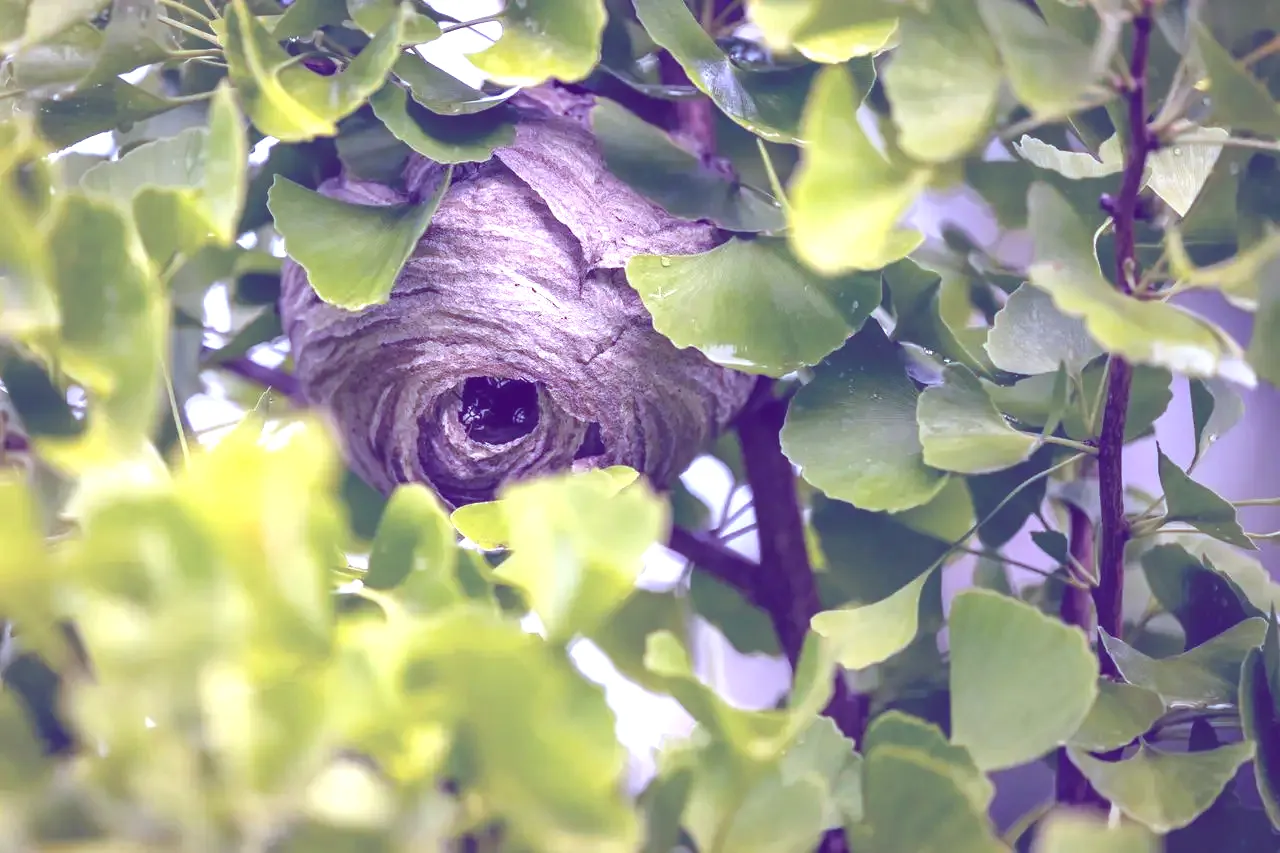
Ask a provider to look the nest over, confirm baldfaced hornets made it and describe the treatment and takedown. Mention on the call if the branch reaches over a sidewalk or into a neighbor's yard. Until someone comes, keep people and pets back from the trunk and hold off on mowing, trimming or leaf blowing under it.
Reaching it may mean going through the neighbor's side or the common ground below. HOA and townhome communities usually leave that to the manager or association. Ask how the provider will get to the nest and how the people next door will be warned.
Hedges hide nests until someone brushes them with a trimmer, a hose or a sleeve. The usual plan is to treat the colony where it sits, remove it after activity stops and check the remaining shrubs. Until then, come and go by another door if you can.
The provider can look at the nest, treat it and walk nearby trees and rooflines. Ask for a time when fewer people are around, and whether a side entrance can be used that day. Managers normally handle notices and access.
Pasadena's housing shapes how a hornet job gets planned. The median home was built in 1977, 23.4 percent of units predate 1960 and only 6.8 percent date from 2010 or later, so older eaves and soffits come up often. Renters occupy 45.5 percent of homes, and in complexes a courtyard tree or shared eave can put one nest above many doors, so the manager usually arranges access and notices. Texas A&M AgriLife says yellowjacket colonies, the group the baldfaced hornet belongs to, peak by August or September. Most nests die after the first hard frost, but a sheltered nest may survive a mild winter, and Houston Hobby Airport averages only 4.2 days a year at or below 32°F. The provider who takes the call is independent and sets the visit time.
Stadium Estates in ZIP 77502, near Clearbrook and Parkview Manor. Ask how a nest hanging over a sidewalk, a porch or a carport would be handled.
Baywood Oaks in ZIP 77505, close to Village Grove and Fairmont Estates. Keeping everyone out of the yard beneath a nest helps the work run smoothly.
Two more 77505 neighborhoods next to Baywood Oaks. Yard trees here can hold more than one nest, so ask the provider to check after the first is found.
Bennett Estates in ZIP 77503. A nest in one of its yard trees or under an older eave can hang over a driveway or side gate, so say where it sits when you call.
By AgriLife's account, a yellowjacket colony is at its biggest in August or September, with new queens and males leaving in October and November. That is why a nest that went unseen all summer often gets noticed late in the season.
When a complex or townhome row has a nest, it may hang above several doorways or a shared path. The manager usually opens access for the provider and tells residents which routes to avoid.
High nests need more setup, whether that is a ladder, a lift or a telescoping pole. Providers still check the entrance for traffic before calling a nest finished or taking it down.
Most yellowjacket nests die after the first hard frost, but in a mild winter a sheltered nest may live on. Houston Hobby Airport averages 4.2 days a year at or below 32°F, so ask whether a late-season nest needs work.
A tenant spots a large paper nest in the tree outside an upstairs window. Hornets keep hitting the screen, so the window stays shut. The same tree shades the parking area below, and neighbors walk beneath it every day.
Expect a look at the nest from the ground first, then access through the manager, treatment through the opening and takedown once activity stops. A later check confirms whether anything is left.
Afterward: Residents get a notice about the tree, nearby eaves are checked and the provider sets a date to look again.
The back patio has gone unused since the parents spotted a big closed paper nest on the eave above it. With a toddler in the house, they want to know what built it and how long until the family can sit out there again.
The provider will likely confirm baldfaced hornets from a distance, treat through the opening and take the shell down after it falls silent. Bringing up the toddler at the start lets the provider explain what goes on near the patio and how long to keep away.
Afterward: Every eave on the house checked, no traffic at the opening before takedown, and a return visit when the provider recommends one.
Two tenants share a side yard at a small Clearbrook rental, and both have stopped using the side door because of hornets. When the owner walks the fence line, a paper nest turns up inside the hedge.
Treating the nest in place, cutting it out of the hedge after activity ends and walking the building's edges is a common plan. The tenants should hear when to stay away, and a later check confirms the job is done.
Afterward: Checks at the opening, every eave on the building walked and a written summary for the owner to forward to tenants.
Hornet colonies keep growing through the summer, and their nests tend to hang over places people use daily. Common situations include the ones below, along with how removal usually proceeds.
A slammed door or a bump below a nest over the front door or garage can set off the colony, and those spots see traffic all day. Switch to another entrance if possible. The provider can treat at a calm hour and remove the shell when it goes quiet. Ask what the plan covers.
Children at play rarely glance upward, which makes a hornet nest above a swing set or trampoline a genuine worry. Close off that corner of the yard until the provider visits, then ask when it can be used again and whether the other trees hide a second nest.
Trouble breathing or swelling in the face or throat after a sting is an emergency: call 911. Milder reactions still call for medical care. Bring up the allergy on the phone so the provider can pick the timing and keep that person well away from the nest.
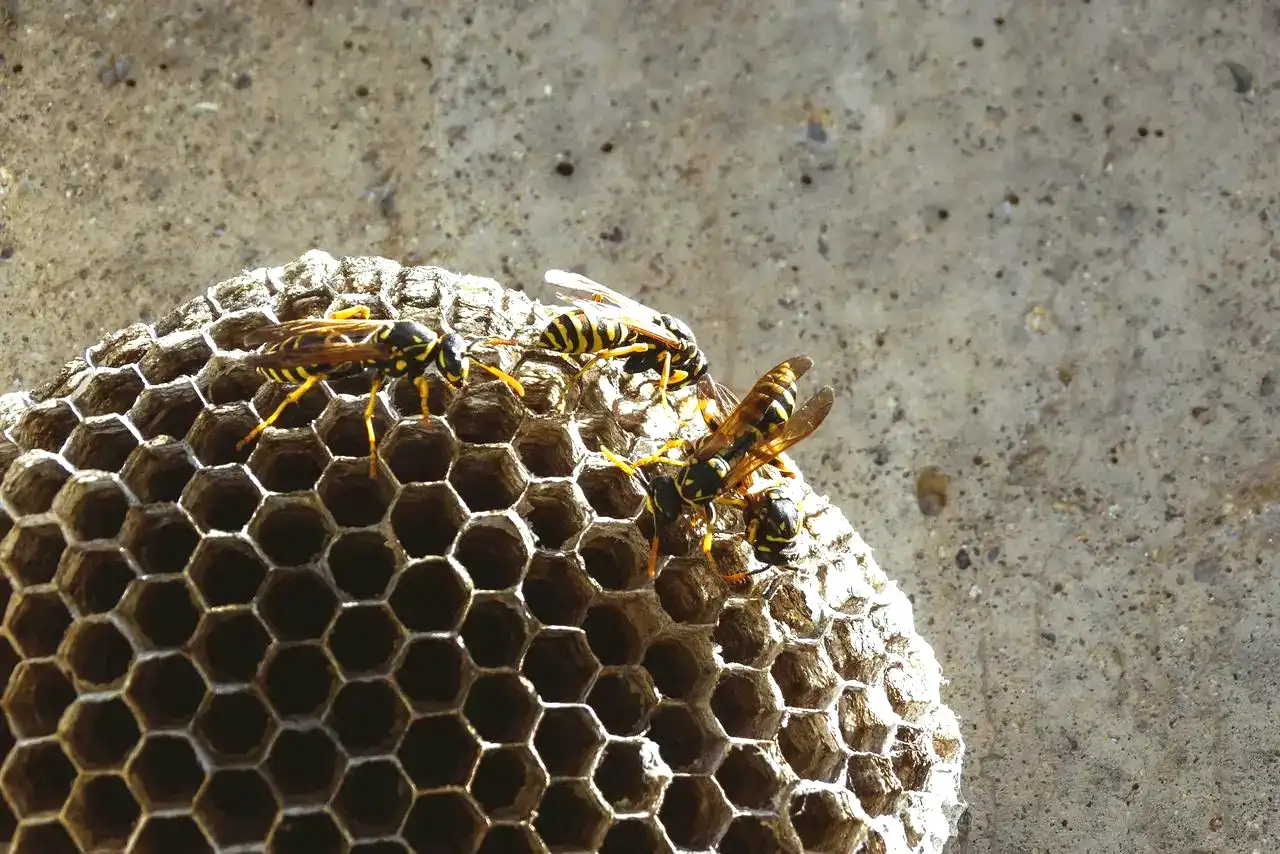
Closed gray paper in a tree is usually the baldfaced hornet, which Texas counts as its only "hornet" and which is really a yellowjacket. Open comb under an eave points to paper wasps. Fuzzy insects on wax comb are honey bees, and this line does not take those. The provider can say which you have before proposing anything.
Set by the provider once the nest is seen
No figures appear here. The provider works out the cost on seeing the nest, mostly from its height, how easy it is to reach, its size, whether there is a second one and whether a return check is planned. A waist-high shrub nest is not the same job as one near a treetop, so ask how yours was figured, and confirm what the total includes, return visits too, before saying yes.
Get the pieces named: the first look, treatment, takedown, disposal and any later check. Then ask if height or branch trimming adds anything. A clear total avoids surprises.
A hedge nest at eye level needs little setup. A nest up a tree or under a second-story eave may mean a ladder, lift or extension pole and a longer stay.
Overhanging branches, utility lines, fences and uneven ground can all get in the way of reaching a nest safely, and a crowded area underneath may stretch the job out. Doing what the provider asks beforehand keeps the visit on track.
Each extra nest, say in the next tree or on another eave, adds work. In complexes and townhome rows, check with the provider and the manager about nests in common areas.
A large late-summer colony usually takes longer than a small spring nest, and removing and disposing of the shell can be a separate line on the bill.
Long walks from the nearest parking spot, or a visit at dawn or after dark, can stretch the job. Ask up front if either one moves the cost.
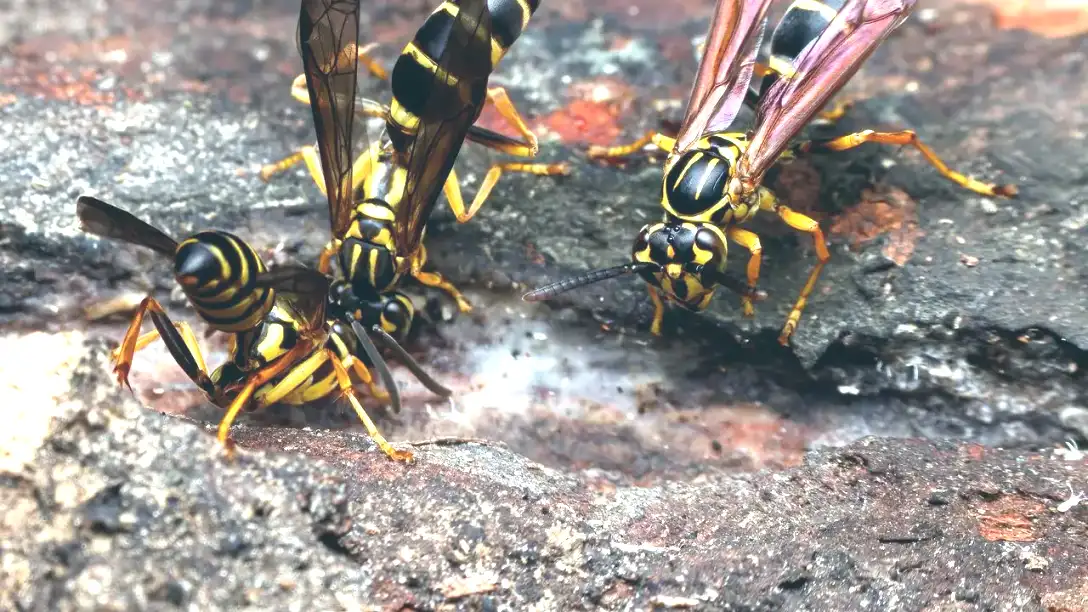
This line only connects calls, so vetting the provider is your job. The Texas Department of Agriculture posts current-license lists for structural pest control. According to the Texas Apiary Inspection Service, the baldfaced hornet, Texas's lone "hornet," is in fact a yellowjacket, and an AgriLife entomologist says established colonies belong with professionals. Whether your nest hangs in a Stadium Estates shade tree or beneath a Baywood Oaks eave, ask how the provider plans to reach it.
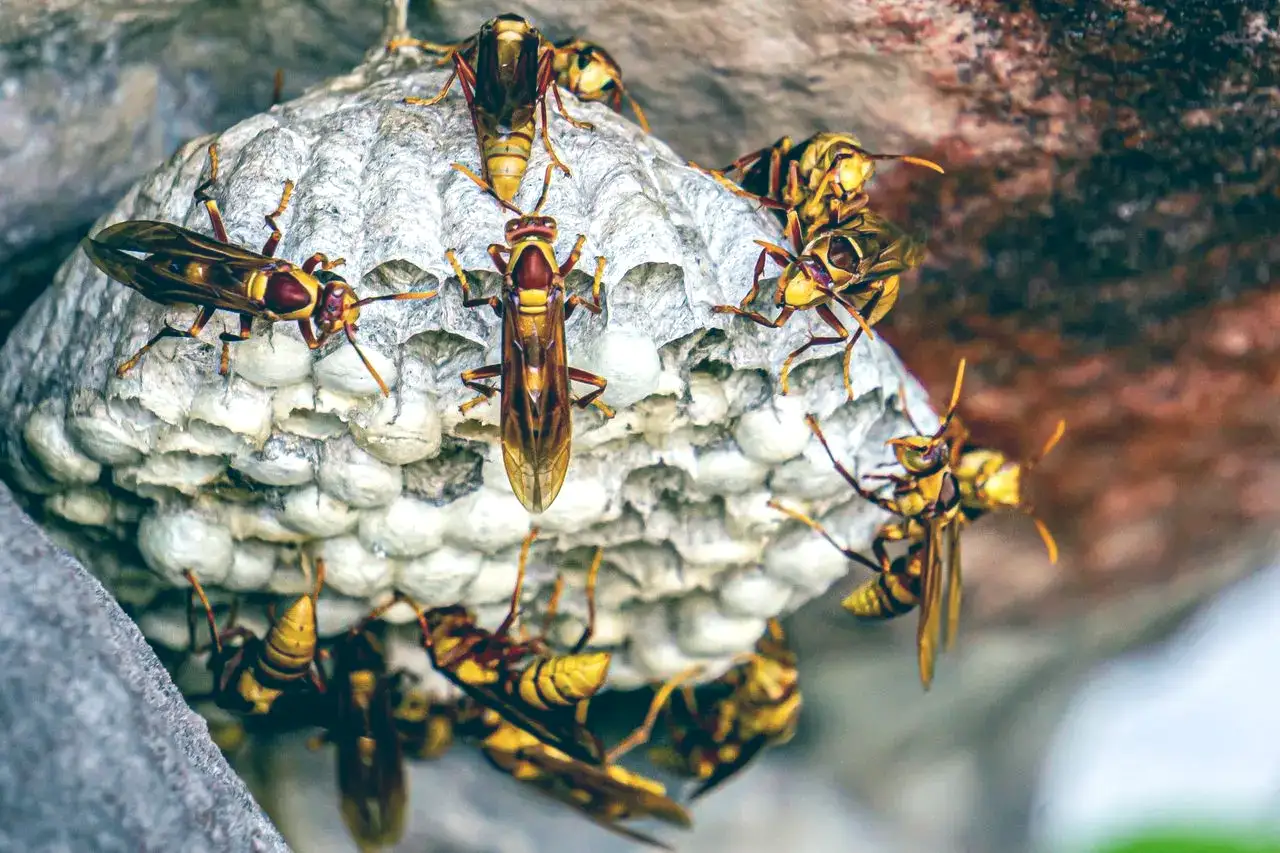
Last year a paper wasp comb came off the eaves; this year a big enclosed nest has appeared in the front-yard tree, and the homeowner has two young children. A provider usually confirms which insect it is, explains how the colony would be treated and whether the nest comes down, then gives the cost. Expect advice on keeping the family indoors meanwhile.
Tenants in a small rental building have told their landlord about hornets around the shared side yard. Often the nest can be treated in one visit, with the remaining eaves and trees checked at the same time. The landlord should ask how tenants are warned to keep clear and whether a return check comes with the job.
A renter on the second floor sees hornets coming and going from a big nest in the tree by an upstairs window and does not know whom to contact first. Start with a written note to the manager, who can arrange access; the provider can then confirm whether baldfaced hornets built it and how it would be reached.
Only by name. Texas has a single insect called a hornet, the baldfaced hornet, and the Texas Apiary Inspection Service classes it as a yellowjacket. Its nest is a closed paper globe in a tree, a shrub or under an eave, very different from the open comb paper wasps build. AgriLife's entomologist advises leaving established yellowjacket and hornet colonies to professionals rather than tackling them yourself.
Height, access and the number of nests set the pace. One visit covers many jobs, though the provider may wait some time before cutting down a treated nest. Setting up around the nest often takes as long as the treatment. Ask for a likely time frame on the call.
Texas A&M AgriLife says most yellowjacket nests die after the first hard frost, but in sheltered sites or mild winters a nest may not be abandoned and can grow into a larger perennial colony. Houston Hobby Airport averages just 4.2 days a year at or below 32°F, so ask the provider to confirm the colony is finished and what to watch for.
This site lists no figure. Once the provider has seen the nest, the cost comes from height, size, access, how many nests there are and whether a return trip is included. Find out what it covers, takedown included, so the total is settled before work begins.
Question not covered here? Phone the referral line and a local provider can walk you through your options.
Ask the providerA provider normally identifies the insect before any removal and looks for other nests in eaves, trees, shrubs and the ground. Honey bees are referred to a beekeeper. The size of the job comes from that first look.
View service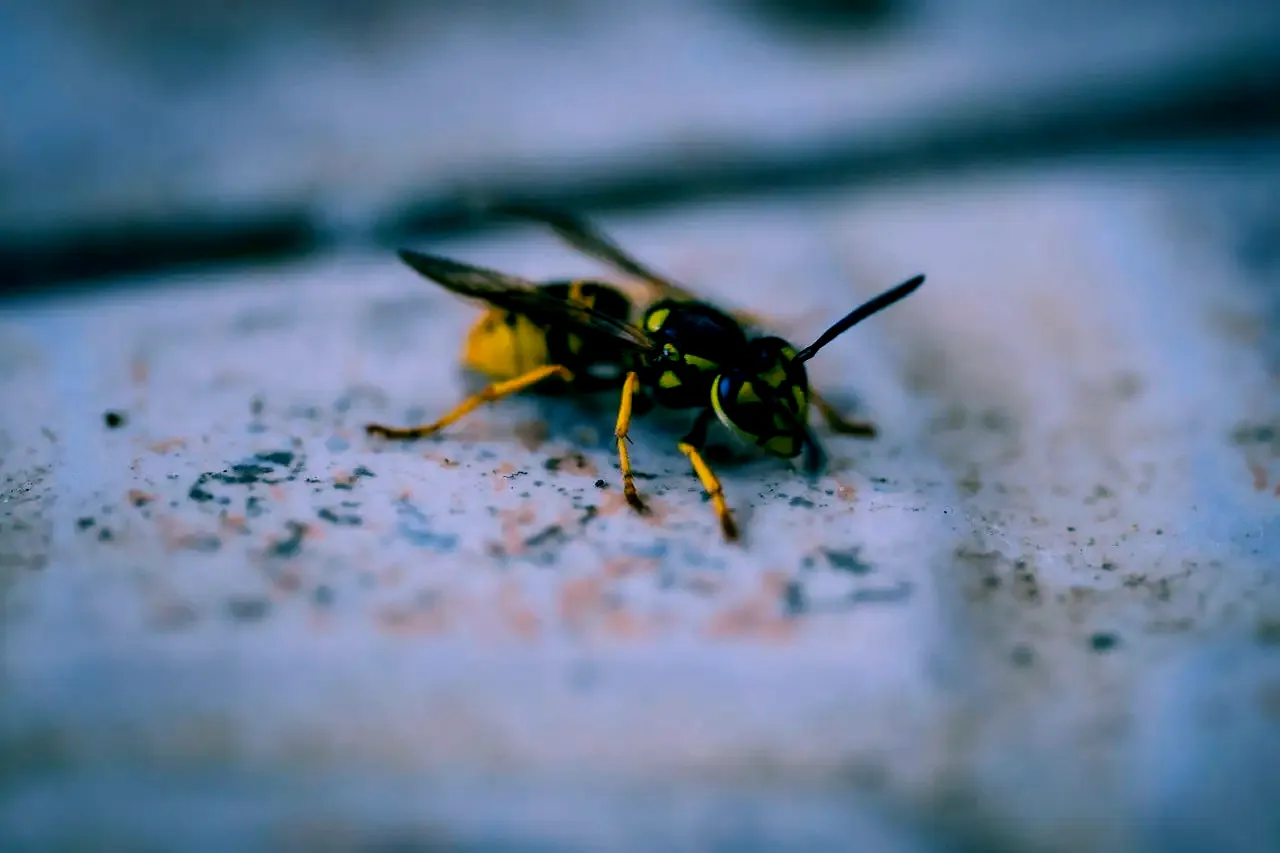
Most yellowjacket colonies live in the ground, but some take over a wall void. AgriLife says not to seal a wall opening until the colony is gone. Lawn nests get stepped on most around August or September, when colonies peak.
View service
Across Pasadena, 30.5 percent of housing units are in buildings with five or more units, so nests in shared trees, stairways and balconies need handling as a group. Tenants report nests to the manager, who arranges access for the provider.
View service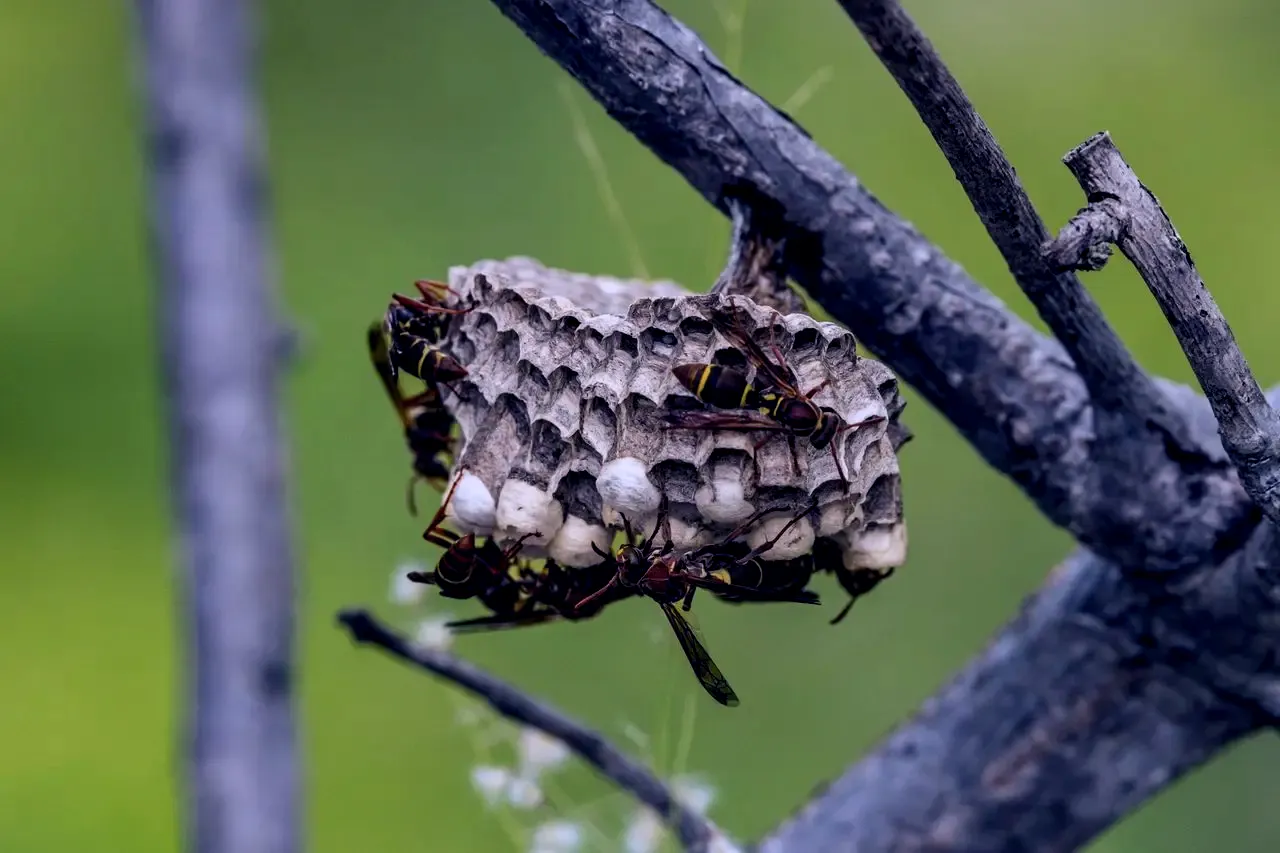
A few weeks on, many providers come back to make sure the opening is silent and nothing new is being built nearby. Next spring, paper wasp queens often return to the same general area.
View serviceCalling the number above routes you through a call-tracking service to an independent provider serving Pasadena, and the call may be recorded. Calls are connected 6 a.m. to midnight Central Time (7 a.m. to 1 a.m. during daylight saving time). You and the provider settle the timing and the cost between you.