A single phone line
One line for paper wasps, hornets and yellow jackets.
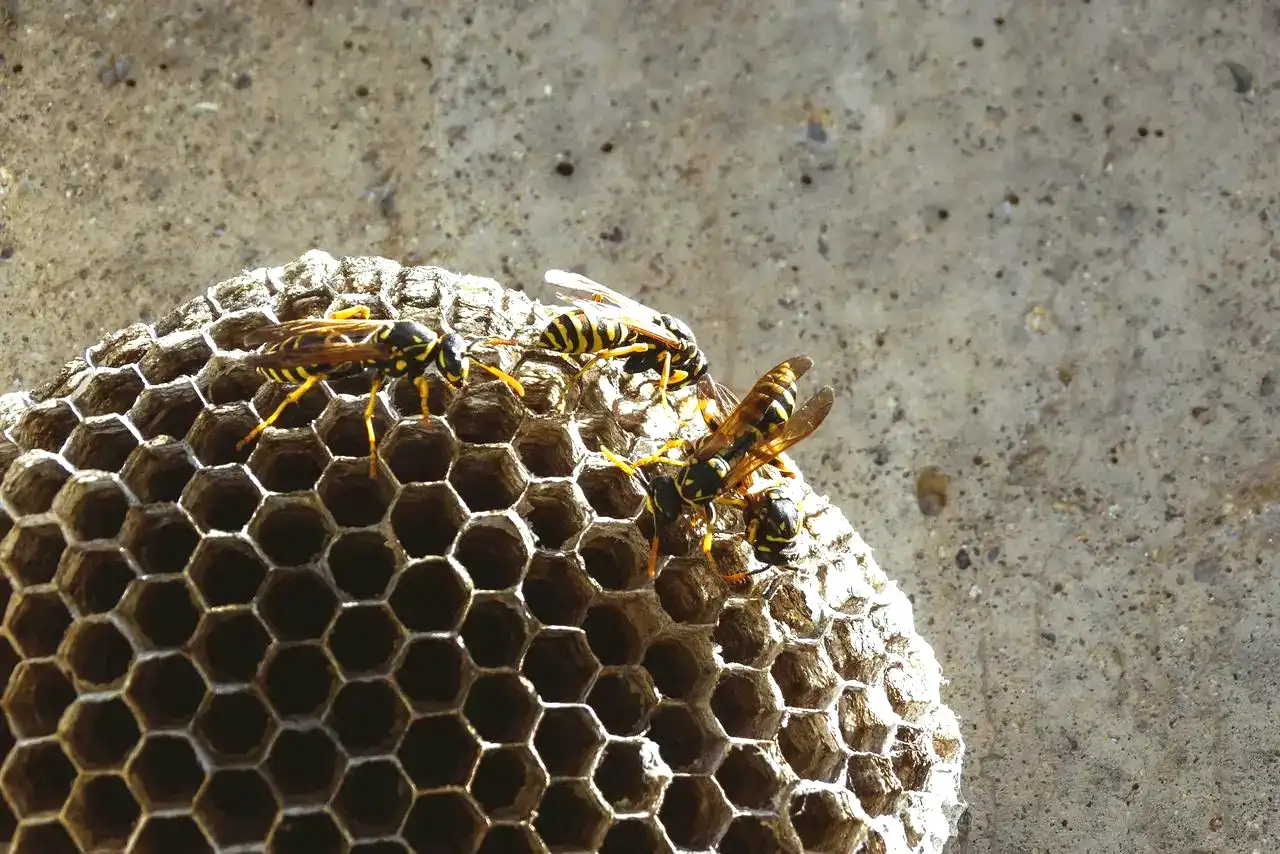
In Pasadena, a wasp nest inspection settles two things before any treatment is planned: what kind of insect is nesting, and where its colony really is. A provider will usually check eaves, porch ceilings, fence lines, play equipment, shrubs, sheds and the ground near the house, then watch which way the insects travel. A paper wasp comb, a yellowjacket hole in the lawn and an enclosed baldfaced hornet nest each need their own plan, and honey bees are referred to beekeepers instead. With the insect and the location confirmed, the visit stays safer and the plan makes sense.
One line for paper wasps, hornets and yellow jackets.
Ask the provider to name the insect before treatment.
Your call goes to a provider serving your ZIP code.
Find the company on TDA’s current-license list.
A typical visit means a walk around the outside of the property, a check of the spots wasps favor, identification from a safe distance and a conversation about what comes next. Any removal is booked separately. Below is what usually happens and what to ask.
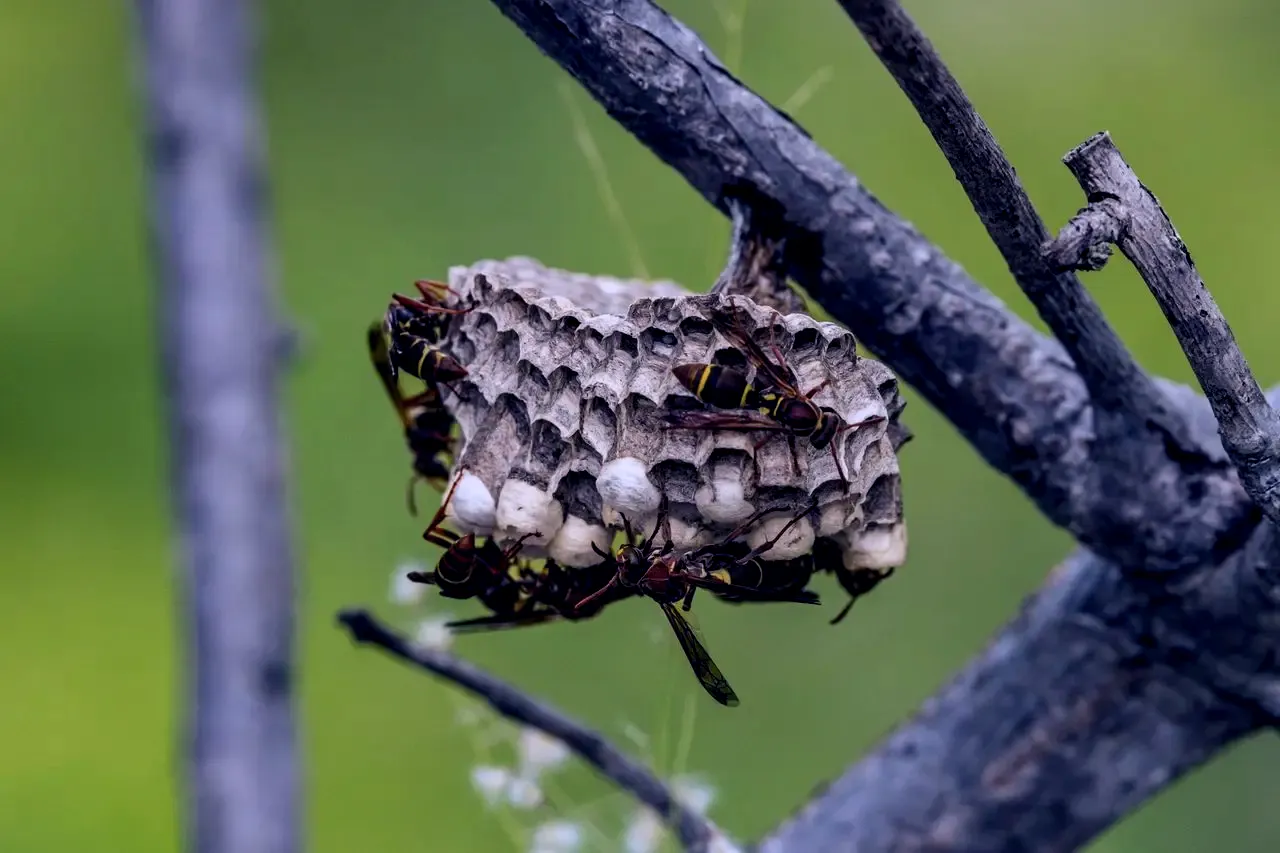
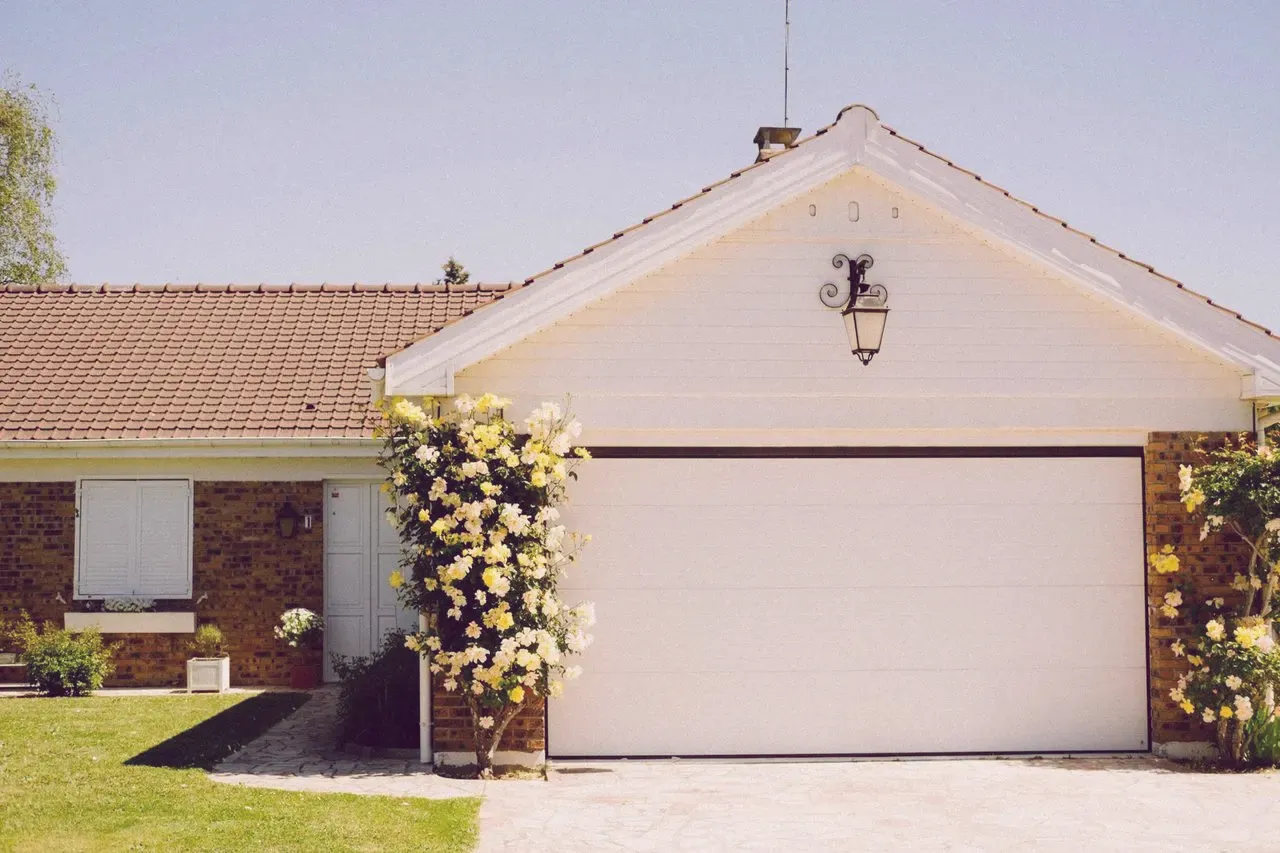
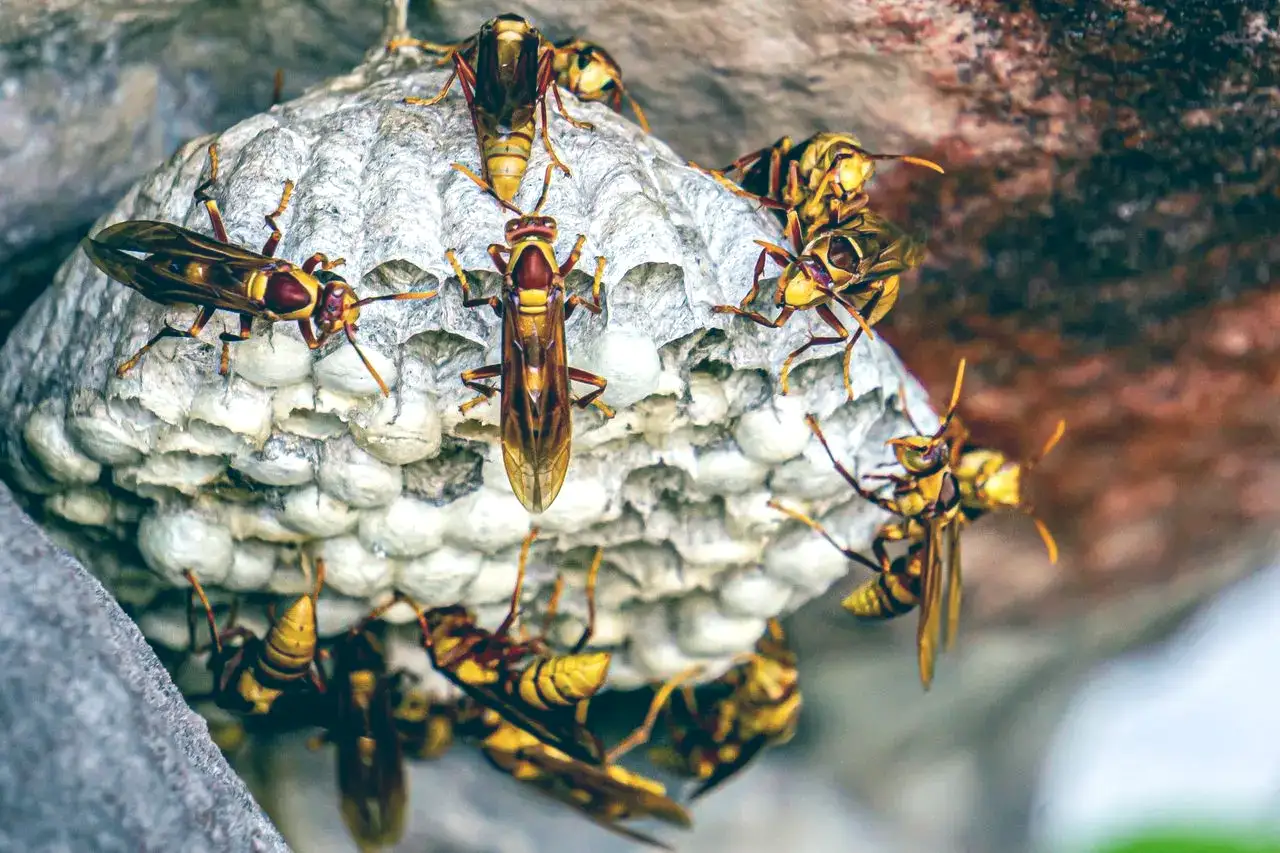
Many providers look up first. Texas paper wasps usually hang their nests under eaves, so soffits, porch ceilings, gutters, light fixtures and window frames get checked, along with railings and swing sets. These open, umbrella-shaped combs can reach 6 to 8 inches across.
Most yellowjacket colonies live underground in beds, gardens and banks of soil, though some move into a wall void. Rather than prodding an opening, a provider tends to watch the insects coming and going, because a busy hole in the yard or the siding may be all that shows. Ask how a hidden nest gets confirmed.
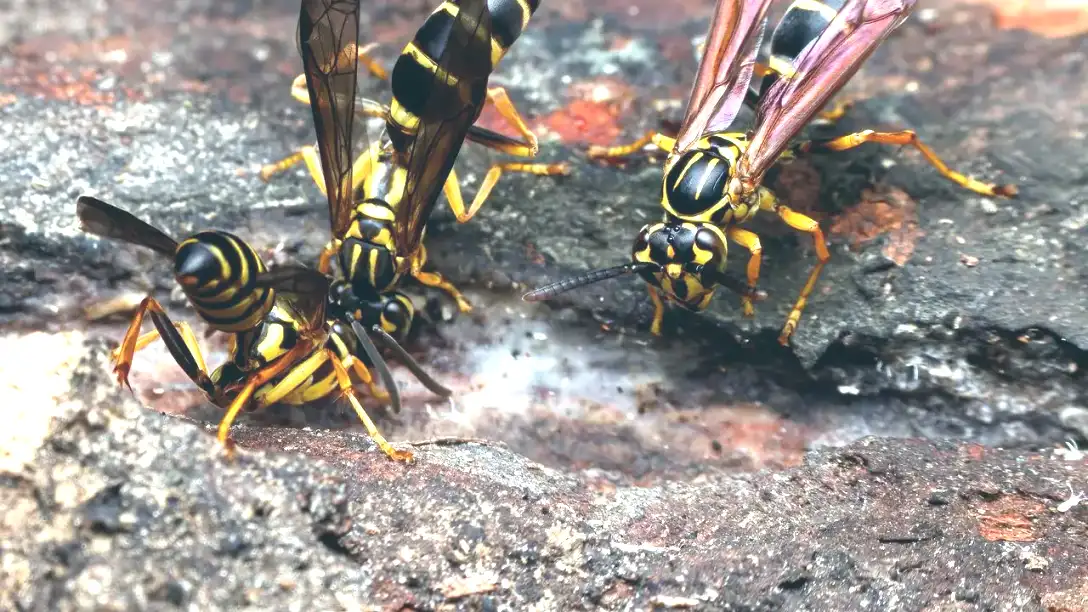
Paper wasps have slim bodies and legs that hang down in flight, and they build open paper combs. Yellowjackets are banded, hairless and never carry pollen. The baldfaced hornet makes a big, closed paper nest. Fuzzy golden-brown insects on wax comb are honey bees instead.
Request a brief written record of the visit: the date, the insect named, the location of each nest, its rough size and its height off the ground. Add a photo if possible. Renters can forward it to the landlord or manager, and the record helps if a return visit is needed.
When the walk-around ends, ask the provider to explain what was found. If honey bees turned up, ask about the Texas Apiary Inspection Service list of registered beekeepers for Harris County. If it is a wasp, yellowjacket or hornet nest, ask how it would be handled, when, whether a return visit is likely and how cost is set.
Say where the nest is and what it looks like, and a local provider calls you back.
A wasp nest inspection in Pasadena means a careful look at where stinging insects come and go, not a quick look from the curb. A provider usually walks around the house, scans the eaves, soffits and porch ceilings, and then checks fences, sheds, shrubs, play sets and the edges of the lawn. Flight paths are watched from a distance, openings in siding, brick weep holes or soil are noted, and the insect is identified as a paper wasp, yellowjacket, baldfaced hornet or honey bee. Ask how the provider tells them apart and whether written notes and photos are part of the visit.
Pasadena's housing gives inspections plenty to cover. Census figures put the median year built at 1977, and 56.7 percent of housing units date from before 1980, so older trim, soffits, attic vents and fences with gaps are common. About 45.5 percent of occupied homes are rented and 30.5 percent of units sit in buildings with five or more units, which means balconies, breezeways and shared eaves that no one household controls. Wasps at a doorway with no nest in sight, whether in Stadium Estates in 77502 or Baywood Oaks in 77505, is exactly where an inspection helps: it finds the source first.
Call (000) 000-0000 and explain what made you pick up the phone: wasps around a door, a paper comb under the eaves, insects going in and out of a hole in the lawn, or a sting. Have the address handy, along with where the nest seems to be, roughly how high and large it is, and whether anyone in the household has an allergy. The visit time is then arranged with an independent provider serving Pasadena.
Before the walk-around starts, the provider typically asks where the insects have been seen and describes how the visit will run. Many providers ask that nobody pokes, sprays or plugs an opening ahead of time, because a disturbed colony turns defensive and a blocked entrance can push insects into the house. Keep children and pets indoors during the visit and mention anyone known to be allergic to stings.
The outside usually comes first: rooflines, eaves and porch ceilings, then fences, sheds, shrubs and the soil. Rather than walking straight up to a nest, the provider watches where insects enter and leave. If a wall or attic might hold a colony, ask how that will be confirmed before a method is suggested.
Ask that every nest be recorded: the insect, where it is, how high, roughly how large and how active it seemed. The record should be dated and include photos where possible. Renters should request a copy to share with the landlord or property manager. Simple, clear wording makes the next decision easier for everyone involved.
When the walk-around wraps up, have the provider go through the findings. Honey bees mean asking for the beekeeper list, not a treatment. An active wasp nest means asking about method, timing, takedown and how the cost is figured. You decide what happens next.
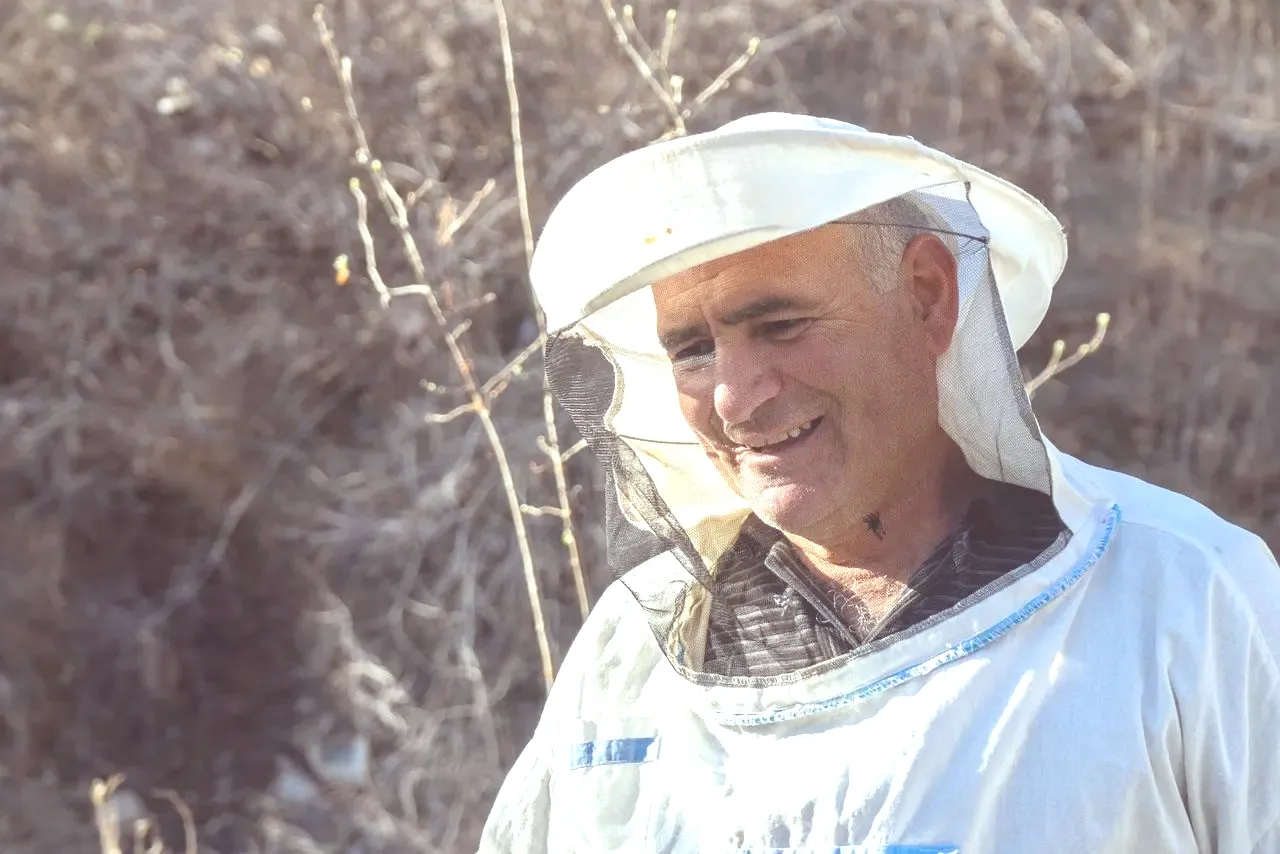
Some providers suit up in a veil and full protective clothing even for an inspection close to a live nest. Find out what they wear and how near they need to go.
Some providers use a thermal camera when a nest may be in a wall. Ask how they would confirm a suspect spot at your home.
A nest high in a tree or under an upper eave can be studied through binoculars or a zoomed camera, with no climbing. You may want a photo showing what was found and where.
A few minutes spent watching an entrance, or a second look on another day, shows whether a nest is still in use. Traffic at the opening says more than the nest's outside.
A nest under a second-story eave or high in a tree may call for a ladder or a telescoping pole. Ask how the provider handles height, since stings on a ladder are risky.
A strong flashlight and a small inspection mirror let a provider see into weep holes, vents, meter boxes and gaps behind siding. You can check these spots yourself from a safe distance before you call.
Whichever tools come out, ask how the provider confirms what the insect is before recommending anything. A nest's outside can be misleading, and an empty comb can look just like an occupied one. A firm identification is something solid to share with a landlord, a property manager or another provider.
If treatment comes next, the agency to know is the Texas Department of Agriculture: its Structural Pest Control Service licenses Texas pest control businesses, certified applicators and technicians. Get the provider's license details and check the company against TDA's current-license list before work starts.
Integrated pest management combines a careful inspection with focused treatment, taking the nest down where it can be reached and dealing with entry points, instead of broad spraying. Ask how the provider decides what needs treating and how the result is checked later.
Sealing a yellowjacket wall entrance before the colony is eliminated is something Texas A&M AgriLife advises against. Ask when closing the gap makes sense and who handles it.
Wasps near a door could be nesting in the eaves, in a light fixture, behind a gap in the wall or in the lawn some distance away. Before you call, watch for a few minutes from a safe spot and notice which way they fly, or zoom in with a phone camera. Leave any openings alone. The inspection follows the traffic to its source and names the insect, so you are no longer guessing.
Report the nest to the landlord or manager in writing, and keep dated notes and photos. Written inspection findings show what insect was found, where the nest is and how active it looked. In apartment complexes, the manager usually arranges access to balconies, eaves and shared spaces. This site does not give legal advice on who must arrange or pay for the work.
Trouble breathing or a swollen face or throat after a sting means calling 911 right away; milder reactions still deserve medical care. Once everyone is safe, keep people and pets away from that part of the yard. An inspection can then find the nest, whether in a hedge, a fence or the ground, and name the insect.
A provider can usually walk the outside of the building, the entrances, play areas and parking lots and hand over written notes for your files. On a big property, breaking the walk into sections keeps residents and staff moving as normal. Ask how nests above doors or busy walkways are dealt with, and when another look makes sense during the warm months.
Pasadena's homes range from streets built before 1960 to a smaller number of recent builds. The median year built is 1977; 23.4 percent of units predate 1960, 56.7 percent predate 1980 and only 6.8 percent date from 2010 or later, so a provider may spend more time on aging wood trim and soffits than on new vents. About 45.5 percent of occupied homes are rented and 30.5 percent of units are in buildings with five or more units, which puts balconies, stairways and shared eaves on many visit lists. Texas A&M AgriLife says yellowjacket colonies peak by August or September. Most nests die after the first hard frost, but in mild winters a nest may carry on, and Houston Hobby Airport, the nearest NWS climate site, averages just 4.2 days a year at or below freezing. Calls are connected for Stadium Estates and Clearbrook in 77502, Bennett Estates and Tanglebriar in 77503, Burke Meadows in 77504, Baywood Oaks and Village Grove in 77505 and the Pasadena part of 77506. Renters should pass findings to the manager; owners should ask how removal and cost are set.
Stadium Estates in ZIP 77502, close to Clearbrook and Rayburn Heights. Older eaves, porch ceilings and backyard sheds give paper wasps plenty of sheltered corners where a comb can grow unnoticed.
Baywood Oaks in ZIP 77505, near Village Grove and Fairmont Estates. Providers here usually begin at the eaves, then move on to fences, shrubs and the lawn's edges.
The Pasadena part of 77506, including Red Bluff Terrace and Pasadena Gardens. A distant look at play sets, fence caps and rooflines often turns up paper wasp comb.
Clearbrook, Parkview Manor and Rayburn Heights in 77502. Where homes share a roofline or a fence, a nest on one side can affect several households, so mention the neighbors when you call.
Balcony undersides, stair landings and covered walkways give paper wasps shelter. Tenants in shared buildings tell the manager, and the manager typically lets the provider in.
AgriLife puts the yellowjacket colony peak at August or September, which is when a mower often finds a ground nest the hard way.
Besides eaves, paper wasp nests show up in garages, sheds and shrubbery. Grill covers, fence post caps and the tubing of swing sets deserve a look early in the season.
Some 45.5 percent of occupied homes in Pasadena are rented. A short written note after a nest is handled keeps managers and incoming tenants informed.
A typical call: a tenant notices wasps by the balcony and sliding door each afternoon but cannot find a nest. After a child was stung, the family stopped using the balcony.
What to expect: the balcony ceiling, the railings, the light fixture and the overhang above are checked for an open paper comb. With paper wasps identified, the manager has written findings to work from and can set up access to the unit above.
Afterward: Paper wasp queens tend to rebuild in the same general area the following spring. Ask when a follow-up look is sensible, and tell the manager in writing about any new comb.
Example: the mower passes over a small backyard hole and the homeowner is stung several times. Nobody knows yet whether those were bees or yellowjackets, or whether the lawn holds more openings.
What to expect: from a distance, the provider watches the lawn for each busy opening and names the insect. Banded and hairless points to yellowjackets; fuzzy with pollen points to honey bees. What happens next depends on which it is.
Afterward: Keep people and pets away from that patch of lawn until the provider has visited, and ask when a second look is worthwhile.
A typical call: tenants in three buildings tell the property manager about wasps around stairwells and covered walkways. No one can point to a nest, and the manager wants the whole property checked before removal is booked.
What to expect: each building's rooflines, stair landings, light fixtures and play equipment may be walked, with every nest found logged by building and spot. Ask how nests by doors get priority and how return visits are spread over the property.
Afterward: Building-by-building notes plus a plan for spring, when paper wasp queens found new colonies, make the next season easier. Tenants who get a short notice can report new comb sooner.
Wasps hanging around a door, a sting or two, and nowhere obvious to look: an inspection is built for exactly that, trading guesses for facts.
Wasps keep turning up at a door, a patio or the garage with no clear reason. A colony may be growing out of sight in a soffit, behind a shutter or in a hole by the foundation, and the wasps near a door may not be nesting there at all. The provider follows the flight path and confirms what is there; ask for notes naming the insect and the nest's exact spot.
Each unanswered message gives a paper wasp comb above a balcony door more time to grow. Send the landlord a written report with dates and photos, then ask the provider for notes that list the spots checked, the insect found and the nest's location. Access to balconies, eaves and common areas in a complex is usually the manager's to arrange.
Look closely before anyone sprays. Honey bees are fuzzy, golden-brown and build wax; wasps are slick and shiny and build paper, and yellowjackets in particular are hairless and haul no pollen. This line handles wasps only. Honey bees go to a beekeeper on the Texas Apiary Inspection Service's Harris County list of registered beekeepers doing bee removals, and do not spray chemicals into a hive. For wasps, a provider can confirm the species and pin down the nest.
Your yard can see wasp traffic all summer from a nest on the shed or fence next door. No provider can treat it without permission, so talk with the neighbor, or with the manager or HOA in a rental or townhome community. Then ask the provider what can be checked from your own yard.
The provider sets it after the call; houses, apartment complexes and large sites are scoped in different ways
This site never names a figure for the visit; that comes from the provider who answers. A single comb by a porch light goes fast. Several suspected nests, a tall roofline, or a colony possibly in a wall or the soil means more time and maybe more equipment. Check whether the inspection is billed on its own or credited toward removal, and whether anything is owed if no active nest turns up. You are never required to book.
Removal goes more smoothly when the insect and the nest locations are known in advance. With the eaves, trees and lawn already checked, the provider can plan one visit instead of discovering another colony halfway through.
Nest count matters. Comb by a porch light is a short stop; nests scattered over the eaves, a shed and the lawn add time for each one. Ask how many nests, and how far apart, feed into the cost.
A single house, a row of townhomes and a whole apartment complex are very different walks. Several buildings in one visit may be costed as one job or one building at a time. Offices, schools and stores are often discussed by phone first.
Height and clutter slow things down: a nest at second-story eave level, buried in a shrub or behind garage storage needs more time to reach without risk. Check if that affects the cost and whether you should clear or trim anything first.
Eyes, binoculars and patience cover most visits. Ask whether your property is likely to need any extra equipment, since that can add to the job.
Calls are taken for 77502, 77503, 77504, 77505 and the Pasadena part of 77506. A nest that is most active at midday may be easier to deal with at another hour, so ask what times the provider offers. Calendars and rates are each provider's own.
This site does not visit homes. It passes calls to independent local providers, which leaves vetting to you. Licensing in Texas runs through the Texas Department of Agriculture: its Structural Pest Control Service licenses pest control businesses, certified applicators and technicians, and current-license lists are posted for anyone to search. Useful questions: how is the insect identified, how are nests in walls or soil found, is high work done safely, and are findings written up? Texas A&M AgriLife's fact sheet puts it this way: if you have any doubt about your ability to safely control a wasp nest, call a professional.
Bees, the homeowner thought, on seeing a papery nest under the back eaves. Usually the provider names the insect from a safe distance, walks the rest of the roofline and checks for a second nest before suggesting anything. Ask for a photo and a short note to decide with; any removal plan comes from that provider alone.
One tenant has told the property manager about wasps near a back porch; the other houses have been quiet. The provider will likely check that porch, the full roofline and nearby fences and sheds, and report house by house. Ask how return visits work over the season; the notes also keep owners and tenants up to date.
No nest, just a steady stream of wasps on the balcony. A small comb tucked in the overhang above is one likely answer; honey bees visiting flowers nearby is another, and those are outside this service. Ask the manager to set up access, find out what to watch for and jot down when the wasps first showed up.
Expect a walk around the outside of the home covering eaves, porch ceilings, fences, sheds, shrubs and the ground, with time spent watching where insects come and go. The insect is named from a safe distance before any plan is offered. Larger properties take longer, and photos plus written notes are worth requesting. Removal is a separate step, which leaves time to weigh the findings.
Often it is the right first step. Treating before the insect is named risks the wrong method, an angry colony or a honey bee situation this service does not cover. An inspection also helps find other nests, such as ones in the ground or inside a wall. Ask the provider to confirm the insect before costing any removal.
Look at the body and the nest. Fuzz, a golden-brown color and wax comb mean honey bees. Smooth, shiny bodies and a paper nest mean wasps, and the Texas Apiary Inspection Service notes that yellowjackets have no hair and do not haul pollen. Honey bees are not handled through this line; find a Harris County beekeeper who does bee removals on the TAIS registered list.
This referral line has no say in what a visit costs. After hearing about the property, the provider works out the figure, which usually depends on the size of the yard, the number of suspected nests, how high or hidden they are and any extra equipment. Ask whether removal is charged on top of the inspection itself. To reach a provider, call (000) 000-0000.
Question not covered here? Phone the referral line and a local provider can walk you through your options.
Ask the provider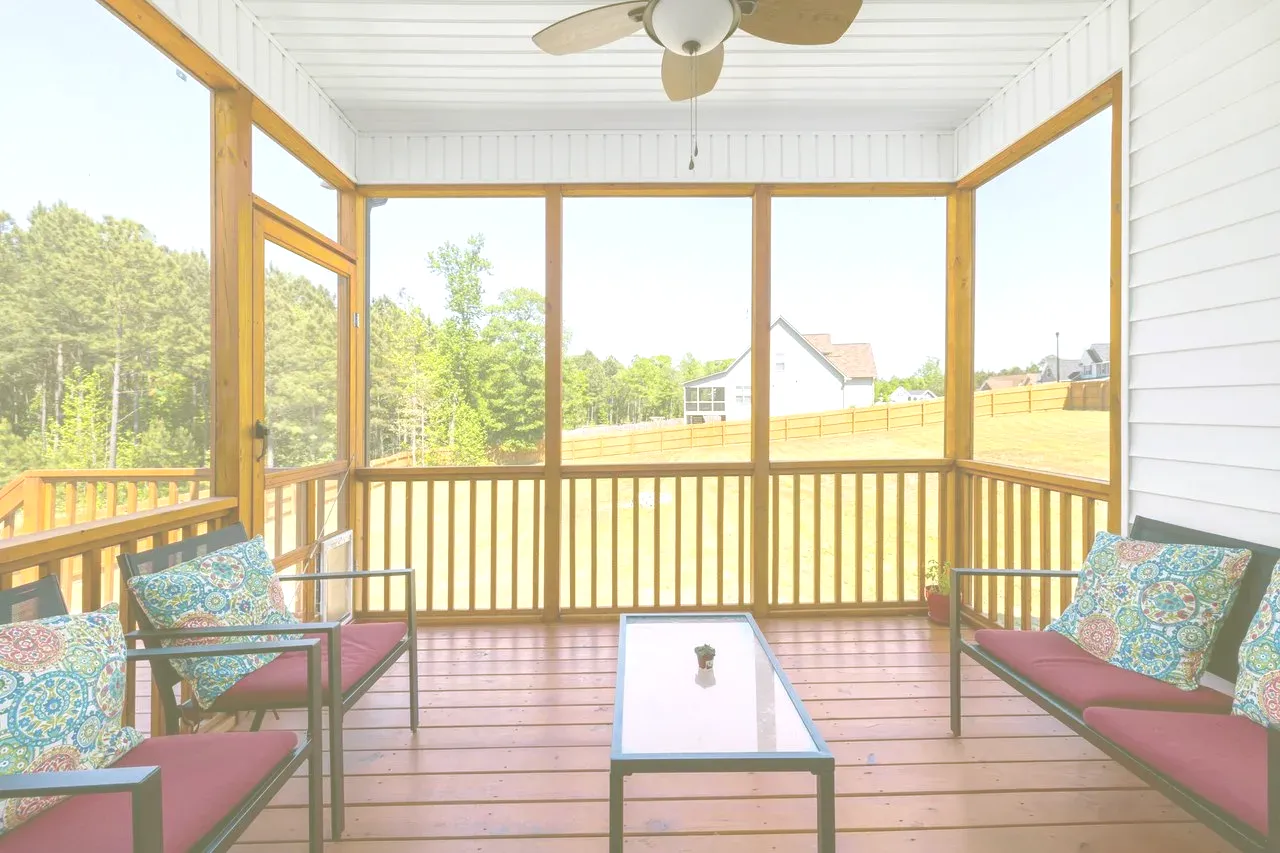
Texas has only one "hornet", the baldfaced hornet, and it is actually a yellowjacket. Its nest is a big, enclosed paper ball hung from a branch, a shrub or an eave. An AgriLife entomologist advises leaving established colonies to professionals, and removal is planned once the nest has been identified.
View serviceMost yellowjacket nests are underground, but colonies can also move into wall voids or hang beneath eaves. They are at their largest by August or September. AgriLife advises against sealing a wall entrance before the colony has been eliminated, so ask how the provider deals with openings in walls.
View service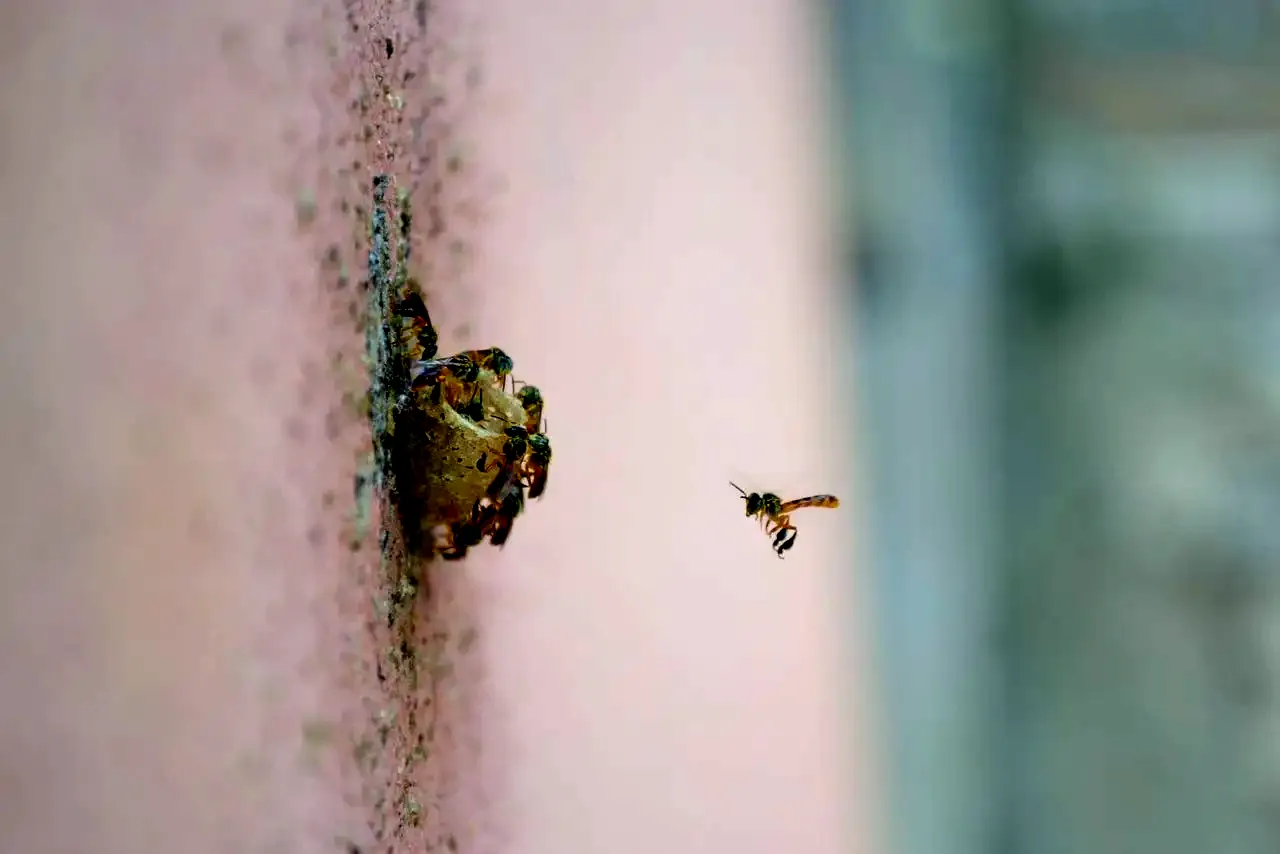
Balconies, stairways and shared eaves in Pasadena complexes belong to no single tenant. Report a nest to the manager, who arranges access to common areas, balconies and rooflines, and keep the dates and photos. With 45.5 percent of homes rented, many households are in this position.
View service
Treated nests sometimes stay busy, and new ones can start a few feet away. That is what a return visit is for. Paper wasp queens tend to come back to the same general area each spring, and AgriLife notes a sheltered yellowjacket nest may carry on through a mild winter. Ask how many checks are recommended and whether they are part of the cost.
View serviceCalling the number above routes you through a call-tracking service to an independent provider serving Pasadena, and the call may be recorded. Calls are connected 6 a.m. to midnight Central Time (7 a.m. to 1 a.m. during daylight saving time). You and the provider settle the timing and the cost between you.